
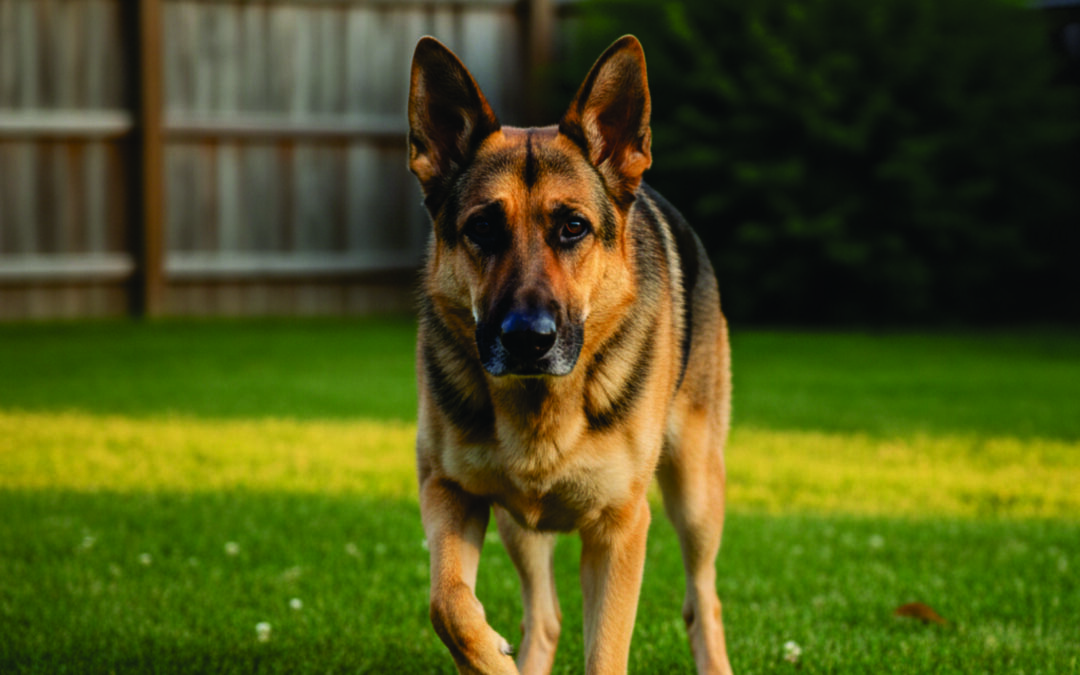
Canine Elbow Dysplasia (ED) is a developmental joint disorder that affects the elbow joints of dogs, leading to pain, lameness, and arthritis. It’s one of the most common causes of front-leg lameness in medium to large dog breeds such as Labrador Retrievers, Rottweilers, German Shepherds, Golden Retrievers, and Cane Corsos.
Understanding the Elbow Joint
The elbow is a complex hinge joint formed by three bones:
- The humerus (upper arm bone)
- The radius and ulna (forearm bones)
For smooth movement, these bones must fit together perfectly. When they don’t align properly, abnormal pressure occurs on parts of the joint, leading to cartilage wear, pain, and degenerative changes.
What Happens in Elbow Dysplasia
Elbow Dysplasia is actually a group of related developmental abnormalities, which may occur singly or in combination. The main types include:
- Fragmented Medial Coronoid Process (FMCP) – a small bone fragment breaks off inside the elbow.
- Osteochondritis Dissecans (OCD) – a cartilage flap forms due to abnormal growth and separates from the bone surface.
- Ununited Anconeal Process (UAP) – a growth plate in the ulna fails to fuse properly.
- Elbow Incongruity – uneven growth of the radius and ulna causing joint misalignment.
Each of these conditions disrupts the smooth function of the joint and can lead to arthritis if left untreated.
Causes and Risk Factors
Elbow Dysplasia is multifactorial, meaning both genetic and environmental factors contribute:
- Genetics – inherited from parents; common in certain breeds.
- Rapid growth rate in puppies.
- Poor nutrition (excess calcium, high-calorie diets).
- Overweight or obesity during growth stages.
- Excessive exercise or repetitive jumping in young dogs.
Common Symptoms
Dogs affected by ED may show signs such as:
- Limping or lameness in the front leg(s).
- Stiffness after rest or exercise.
- Reluctance to play, run, or jump.
- Pain when the elbow is extended or flexed.
- Swelling around the elbow joint.
- In advanced cases, visible muscle loss in the shoulder area.
Symptoms often appear between 4–10 months of age, but mild cases may not show until later in life when arthritis develops.
Diagnosis
Diagnosis requires:
- Veterinary examination for pain and range of motion.
- X-rays (radiographs) to identify bone changes.
- CT or MRI scans for detailed imaging of bone fragments or incongruity.
- Arthroscopy (joint camera exam) in some cases to confirm and treat simultaneously.
Treatment and Management
Treatment depends on the specific abnormality and severity:
- Medical management:
- Weight control and diet modification.
- Joint supplements (glucosamine, omega-3 fatty acids).
- Pain relief and anti-inflammatory medications.
- Controlled physiotherapy and low-impact exercise (like swimming).
- Surgical management:
- Removal of loose fragments (arthroscopic surgery).
- Realignment or correction of joint incongruity.
- Joint replacement in severe cases.
Early diagnosis and treatment greatly improve long-term comfort and mobility.
Prevention and Breeding Control
Because ED has a strong hereditary component, responsible breeders conduct elbow screening and grading before breeding.
Breeding only from dogs with low or normal elbow grades helps reduce the condition’s prevalence in future generations.